
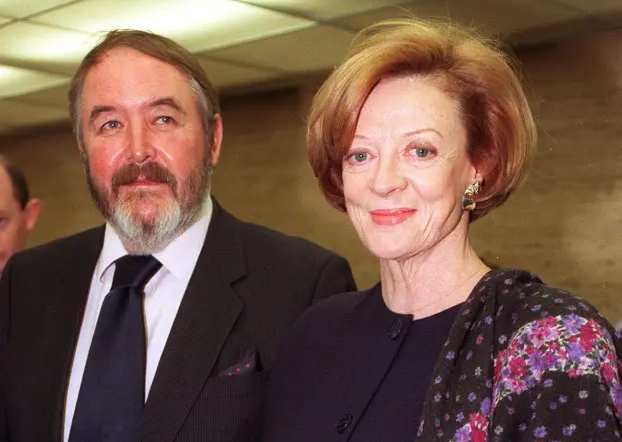
The story of Beverley Cross is one of talent, versatility, and quiet influence in both theatre and film. Known for his ability to craft compelling narratives across multiple formats, Beverley Cross carved out a distinguished career as a playwright, librettist, and screenwriter. From West End stage successes to epic cinematic adventures, his work left a lasting imprint on British and international entertainment.
Although not always a household name, Beverley Cross contributed to some of the most memorable productions of the 20th century. His journey from a theatrical upbringing to becoming a respected creative force offers a fascinating insight into the world of storytelling, discipline, and artistic evolution.
Early Life and Influences
Beverley Cross was born on April 13, 1931, in London, England. Growing up in a family deeply connected to the performing arts, he was naturally exposed to the world of theatre from an early age. His mother worked as an actress and dancer, while his father was involved in theatre management. This environment played a crucial role in shaping his creative instincts.
He attended Pangbourne Nautical College, a somewhat unconventional choice for someone who would later pursue the arts. However, his academic journey eventually led him to Balliol College, Oxford, where his passion for literature and drama began to take a more defined shape.
During his early years, Beverley Cross briefly considered a career in acting. However, after receiving critical feedback from renowned actor John Gielgud, he shifted his focus to writing—a decision that would ultimately define his legacy.
The Rise of Beverley Cross as a Playwright
Early Writing Career
In the 1950s, Beverley Cross began writing plays, initially focusing on productions aimed at younger audiences. These early works allowed him to experiment with storytelling techniques and develop his voice as a dramatist.
His breakthrough came with the play One More River in 1958. Set against the backdrop of a naval mutiny, the play was both intense and thought-provoking. It premiered in Liverpool and later moved to London’s West End, earning critical acclaim and establishing Beverley Cross as a serious playwright.
Theatre Success and Recognition
The success of his early work opened doors to larger opportunities. Beverley Cross became known for his adaptability, writing across genres and styles with ease.
Some of his notable stage achievements include:
- Strip the Willow, which contributed to the rise of Maggie Smith as a leading actress
- The English adaptation of Boeing Boeing, which became one of the longest-running comedies in the West End
- Half a Sixpence, a musical based on a novel by H. G. Wells
Half a Sixpence was particularly significant, earning a Tony Award nomination and demonstrating his ability to succeed not just in drama but also in musical theatre.
Transition into Film and Screenwriting
As his reputation grew, Beverley Cross expanded his creative reach into the film industry. His storytelling skills translated seamlessly to the screen, particularly in historical and fantasy genres.
Iconic Film Contributions
Beverley Cross is credited with writing or contributing to several major films, including:
- Jason and the Argonauts (1963)
- The Long Ships (1964)
- Genghis Khan (1965)
- Clash of the Titans (1981)
These films showcased his talent for blending mythology, action, and drama. Clash of the Titans, in particular, remains a cult classic, admired for its storytelling and visual effects.
He also contributed, though uncredited, to the screenplay of Lawrence of Arabia, further demonstrating his involvement in high-profile cinematic projects.
Work in Opera and Musical Theatre
Beyond stage plays and films, Beverley Cross made significant contributions as a librettist. His work in opera involved collaborating with respected composers such as Richard Rodney Bennett and Nicholas Maw.
This aspect of his career highlights his versatility. Writing for opera requires a unique understanding of rhythm, language, and musical integration, and Beverley Cross excelled in this demanding field.
Writing Style and Creative Approach
What set Beverley Cross apart from many of his contemporaries was his ability to adapt his writing style to different formats without losing depth or authenticity.
Key Characteristics of His Work
- Strong narrative structure: His stories were carefully crafted, with clear progression and emotional impact
- Versatility: From courtroom dramas to fantasy epics, he moved effortlessly between genres
- Character-driven storytelling: His characters were often complex and relatable
- Theatrical sensibility: Even in film, his background in theatre influenced pacing and dialogue
His writing never felt forced or artificial. Instead, it carried a natural rhythm that resonated with audiences.
Personal Life and Relationships
Beverley Cross’s personal life was closely tied to the world of acting and theatre. His most notable relationship was with Maggie Smith, one of Britain’s most celebrated actresses.
The two first met in the 1950s and maintained a long-standing connection before eventually marrying in 1975. Their relationship lasted until his death in 1998.
Through this marriage, Beverley Cross became the stepfather of actors Toby Stephens and Chris Larkin, further cementing his ties to the acting world.
Challenges and Lesser-Known Aspects
Despite his accomplishments, Beverley Cross did not always receive the widespread recognition he deserved. Much of his work, particularly in film, was overshadowed by directors or actors.
However, within industry circles, he was highly respected for his professionalism and creativity. His ability to work across mediums often meant he was seen as a reliable and skilled contributor rather than a headline figure.
Later Years and Passing
In his later years, Beverley Cross continued to contribute to the arts, although at a slower pace. His legacy was already well established, and his earlier works continued to be performed and appreciated.
He passed away on March 20, 1998, in London at the age of 66. His death marked the end of a career that had quietly shaped multiple facets of British entertainment.
Legacy and Lasting Impact
The influence of Beverley Cross extends beyond individual productions. His work helped bridge the gap between traditional theatre and modern cinematic storytelling.
Key Contributions to the Arts
- Introducing European theatrical works to English-speaking audiences
- Strengthening the connection between stage and screen storytelling
- Contributing to iconic fantasy and historical films
- Supporting the growth of musical theatre in the 1960s
Even today, productions like Half a Sixpence continue to be revived, and films like Clash of the Titans remain part of popular culture.
Why Beverley Cross Still Matters Today
In an era dominated by blockbuster franchises and fast-paced content, the thoughtful storytelling of Beverley Cross serves as a reminder of the importance of strong writing.
His career demonstrates that true creative success does not always rely on fame. Instead, it is built on consistency, adaptability, and a deep understanding of narrative craft.
Writers and creatives can still learn valuable lessons from his approach:
- Focus on storytelling rather than trends
- Be willing to explore different formats
- Maintain authenticity in writing
- Embrace collaboration
FAQs
Who was Beverley Cross and why is he important?
Beverley Cross was a British playwright and screenwriter known for his contributions to theatre, musicals, and classic films. His work played a significant role in shaping mid-20th-century entertainment.
What are the most famous works of Beverley Cross?
Some of his best-known works include One More River, Half a Sixpence, and the screenplay for Clash of the Titans.
Was Beverley Cross connected to Maggie Smith?
Yes, Beverley Cross was married to actress Maggie Smith, and their relationship lasted until his death in 1998.
Conclusion
Beverley Cross remains a fascinating figure in the history of theatre and film. His ability to move seamlessly between stage, screen, and opera speaks to a rare level of creative versatility. While he may not always be widely recognised by the general public, his influence is deeply embedded in the works he helped bring to life.
From early theatrical successes to enduring cinematic classics, the journey of Beverley Cross is a testament to the power of storytelling. His legacy continues to inspire writers, performers, and audiences alike, ensuring that his contributions will not be forgotten.