
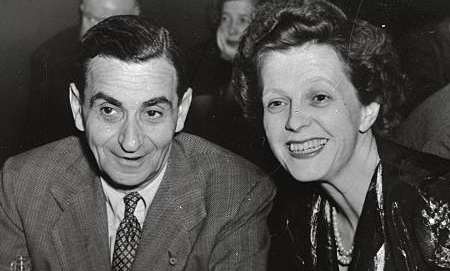
Ellin Berlin stands as one of the most fascinating figures of early 20th-century American society—an accomplished writer, a woman of privilege who chose love over convention, and a personality who quietly shaped literary culture through her work. While many remember her as the wife of Irving Berlin, her own identity was far richer, rooted in intellect, courage, and artistic expression.
Born into immense wealth yet drawn toward independence, Ellin Berlin lived a life that blended privilege with rebellion. Her story is not just about romance or social controversy—it is about a woman navigating identity, creativity, and societal expectations during a transformative era in American history.
Early Life and Influential Upbringing
A Childhood of Wealth and Expectations
Ellin Berlin was born Ellin Mackay on March 22, 1903, into one of America’s most prominent families. Her father, Clarence Mackay, was a powerful financier and communications magnate. Growing up in such an environment meant that her life was shaped by strict expectations, social etiquette, and a carefully curated public image.
Despite the privileges surrounding her, Ellin Berlin demonstrated early signs of independence. She attended convent schools, receiving a traditional Catholic education, but she was also exposed to literature and writing—interests that would later define her personal career.
Early Signs of Individuality
From a young age, Ellin Berlin exhibited a strong sense of self. Unlike many women of her social class who were groomed primarily for marriage, she showed a clear inclination toward intellectual pursuits. Writing became an outlet for her thoughts and a way to carve out her own identity beyond her family name.
This early tension between expectation and independence would later define many of her life choices.
A Love Story That Defied Society
Meeting Irving Berlin
The life of Ellin Berlin took a dramatic turn when she met Irving Berlin in the 1920s. At the time, he was already a celebrated songwriter, known for shaping American popular music. Their meeting sparked an intense connection that quickly evolved into a deep romantic relationship.
Family Opposition and Cultural Barriers
The relationship between Ellin Berlin and Irving Berlin faced immediate resistance. The primary objections stemmed from religious differences—she was a devout Catholic, while he was Jewish. In that era, interfaith marriages were not only uncommon but often publicly condemned.
Her father strongly opposed the union, reportedly going as far as disinheriting her. For a woman raised in wealth and status, this was a life-altering consequence.
A Bold Decision to Elope
In 1926, Ellin Berlin made a decision that would define her legacy—she chose love over privilege. The couple eloped, marrying quietly despite the controversy surrounding them. The story captured national attention and became one of the most talked-about romances of its time.
This act of defiance highlighted Ellin Berlin’s courage and willingness to challenge societal norms. It also marked the beginning of a lifelong partnership that would endure for decades.
Building a Literary Identity
Early Writing Career
Before her marriage, Ellin Berlin had already begun establishing herself as a writer. She contributed to The New Yorker, a publication that was rapidly gaining prominence in American literary culture. Her writing was noted for its wit, observational insight, and subtle critique of social norms.
One of her early pieces, “Why We Go to Cabarets,” demonstrated her ability to blend humor with cultural commentary. It resonated with readers and positioned her as a promising literary voice.
Expanding Her Work
After marriage, Ellin Berlin continued writing, contributing to major publications such as The Saturday Evening Post and Ladies’ Home Journal. Her work often explored themes of family, relationships, and the complexities of modern life.
Unlike many women of her social standing, she did not abandon her career after marriage. Instead, she balanced her roles as a writer, wife, and mother, maintaining a consistent presence in the literary world.
Novels and Creative Expression
Transition to Fiction
Ellin Berlin eventually expanded her writing into novels, where she found greater freedom to explore character and narrative. Her books often reflected her own experiences and observations, offering nuanced portrayals of family dynamics and societal expectations.
Notable Works
Her literary contributions include:
- Land I Have Chosen (1944)
- Lace Curtain
- Silver Platter
- The Best of Families (1970)
These works showcased her storytelling ability and her keen understanding of human relationships. Through fiction, Ellin Berlin was able to express deeper emotional and psychological themes that went beyond her earlier essays.
Style and Themes
The writing style of Ellin Berlin was elegant yet accessible. She had a talent for capturing the subtleties of social interaction, often focusing on the inner lives of her characters. Her themes frequently revolved around:
- Family bonds and tensions
- Social expectations versus personal desires
- The evolving role of women in society
Her work remains a valuable reflection of mid-20th-century American life.
Marriage and Family Life
A Long-Lasting Partnership
The marriage between Ellin Berlin and Irving Berlin proved to be remarkably enduring. Despite the challenges they faced early on, the couple remained together for over six decades.
Their relationship was built on mutual respect and shared values, even as they came from different cultural and religious backgrounds.
Parenthood and Personal Challenges
Ellin Berlin was the mother of four children, including Mary Ellin Barrett, who would later become a writer herself. Family life was central to her identity, and many of her literary themes were influenced by her experiences as a mother.
However, her life was not without tragedy. The loss of a child shortly after birth deeply affected the family. This event also led to a reconciliation between Ellin Berlin and her father, who had previously opposed her marriage.
Balancing Roles
Managing a literary career alongside family responsibilities required resilience and discipline. Ellin Berlin succeeded in maintaining both, demonstrating that women could pursue intellectual ambitions while fulfilling traditional roles.
Her ability to balance these aspects of life contributed to her enduring legacy.
Cultural and Historical Significance
A Symbol of Change
Ellin Berlin represents a significant shift in societal norms during the early 20th century. Her marriage challenged prevailing attitudes toward religion and class, while her career reflected the growing presence of women in intellectual and creative fields.
Influence on Literary Culture
Through her contributions to major publications, Ellin Berlin played a role in shaping modern magazine writing. Her essays and stories captured the spirit of a changing society, offering readers both entertainment and insight.
A Quiet but Lasting Impact
Unlike some of her contemporaries, Ellin Berlin did not seek fame or public recognition. Her influence was more subtle, embedded in her writing and personal choices. Yet, her impact remains evident in the way she navigated and redefined her role within society.
Personal Strength and Legacy
Independence and Resilience
The life of Ellin Berlin is a testament to independence. She made difficult choices, often at great personal cost, but remained true to her values. Her decision to marry for love, despite opposition, reflects a deep sense of conviction.
A Role Model for Future Generations
Her story continues to inspire those who value authenticity and courage. Ellin Berlin demonstrated that it is possible to honor one’s background while forging a unique path.
Enduring Relevance
Even today, the themes explored in her life and work—identity, love, and societal expectations—remain relevant. Ellin Berlin’s journey offers valuable lessons about resilience and self-expression.
FAQs
Who was Ellin Berlin?
Ellin Berlin was an American writer and social figure known for her essays, novels, and her marriage to Irving Berlin.
What is Ellin Berlin famous for?
Ellin Berlin is famous for her writing career and her high-profile interfaith marriage that challenged societal norms in the 1920s.
Did Ellin Berlin have a writing career before marriage?
Yes, Ellin Berlin was already contributing to publications like The New Yorker before she married.
What themes did Ellin Berlin explore in her writing?
Ellin Berlin often wrote about family dynamics, social expectations, and personal identity.
How long was Ellin Berlin married to Irving Berlin?
Ellin Berlin remained married to Irving Berlin for over 60 years, until her death in 1988.
Conclusion
Ellin Berlin lived a life that seamlessly blended intellect, courage, and emotional depth. She was not merely a figure in someone else’s story but a writer and individual who shaped her own narrative. Through her bold choices and literary contributions, she carved out a place in history that continues to resonate. Her legacy reminds us that true influence often lies not in loud declarations, but in the quiet strength of living authentically.