
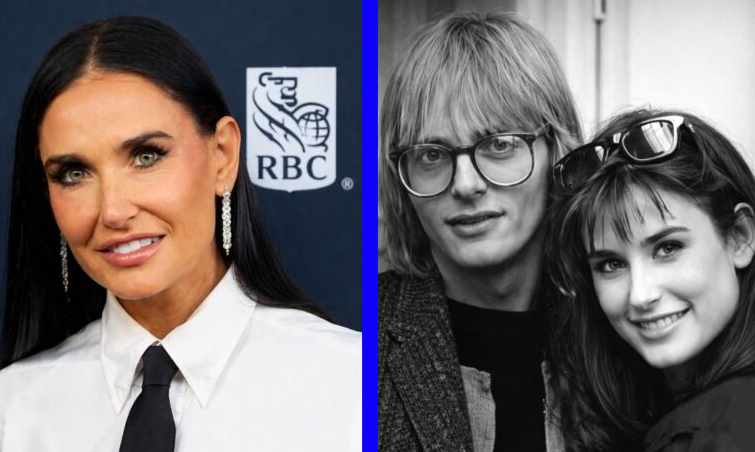
Freddy Moore was one of those figures in entertainment history who quietly left a lasting impact without ever becoming a mainstream superstar. Born as Frederick George Moore, he was deeply embedded in the American rock scene during the late 1970s and early 1980s. While his music career had its moments of recognition, his name is most often remembered today because of his connection to one of Hollywood’s biggest stars, Demi Moore.
What makes Freddy Moore particularly interesting is not just his relationship with fame, but his relationship with influence. He was part of a vibrant creative culture in Los Angeles at a time when punk, new wave, and alternative rock were shaping a generation. As a musician, he contributed to that movement in meaningful ways, even if his contributions were not widely commercialized. His band, songwriting, and artistic collaborations reflect a genuine commitment to music rather than celebrity.
Early Life and Musical Beginnings
Freddy Moore’s early life set the stage for his future in music, even if it didn’t initially guarantee success. Growing up in Minneapolis, he was exposed to a mix of cultural influences that shaped his artistic sensibilities. Like many musicians of his era, he was drawn to the raw energy of rock and roll and the freedom it offered as a form of expression. Music wasn’t just a hobby for him; it was a path toward identity and independence.
When he eventually moved to Los Angeles, he entered a city buzzing with creative energy. The late 1970s LA music scene was full of experimentation, with artists blending punk, pop, and new wave influences. Freddy Moore quickly became part of this environment, performing in clubs and building connections with other musicians. This period was crucial for him, as it allowed him to refine his style and develop a presence in a highly competitive industry.
His dedication to music during these formative years highlights something important: Freddy Moore was not chasing fame in the traditional sense. Instead, he was pursuing authenticity. He wanted to create music that resonated, even if it meant staying on the fringes of the mainstream. This approach would define much of his career and contribute to his reputation as a respected, if underrecognized, artist.
The Nu Kats and His Musical Identity
One of Freddy Moore’s most notable contributions to music came through his band, The Nu Kats. As the frontman, he played a central role in shaping the band’s sound and identity. The Nu Kats were part of the new wave movement, blending catchy melodies with a slightly edgy, alternative style that distinguished them from more conventional rock acts.
Their music captured the spirit of the time—energetic, experimental, and reflective of a shifting cultural landscape. Songs like “It’s Not a Rumour” showcased Freddy Moore’s songwriting abilities and his knack for creating memorable hooks. Although the band didn’t achieve massive commercial success, they developed a loyal following and gained respect within the music community.
Freddy Moore’s work with The Nu Kats demonstrates his versatility as an artist. He wasn’t limited to a single style or formula; instead, he embraced change and innovation. This willingness to evolve is often what separates true musicians from those who simply follow trends. Even though his career didn’t reach global heights, his artistic integrity remained intact—a quality that continues to define his legacy.
Freddy Moore and Demi Moore: A Transformative Relationship
Freddy Moore’s relationship with Demi Moore is perhaps the most widely discussed aspect of his life. The two met when Demi was still very young and trying to find her place in Los Angeles. At the time, Freddy Moore was already immersed in the music scene, which gave him a certain level of experience and influence.
They married in 1981, and their relationship quickly became a defining chapter for both individuals. For Demi, Freddy Moore represented an entry point into a creative world that extended beyond acting. For Freddy, the relationship added a new dimension to his personal and professional life. They collaborated on music, shared creative ideas, and supported each other’s ambitions.
One of the most lasting outcomes of their marriage is something many people don’t realize at first: Demi Moore kept his last name even after their divorce. This decision turned Freddy Moore’s surname into a permanent fixture in Hollywood. It’s a fascinating example of how personal relationships can have long-term cultural consequences, shaping identities in ways that extend far beyond the relationship itself.
Challenges Within the Marriage
While their relationship had moments of creativity and collaboration, it was not without its challenges. The age difference between Freddy Moore and Demi Moore created a dynamic that was difficult to balance. Demi was still in the early stages of her life and career, while Freddy was already established in his own path. This difference in life stages contributed to tensions over time.
Additionally, the pressures of ambition and personal growth played a significant role in their struggles. Demi Moore was on the verge of becoming a major Hollywood star, while Freddy Moore’s career remained relatively modest. This imbalance can create strain in any relationship, especially when both individuals are navigating demanding industries.
Their marriage eventually ended in divorce in 1985. Despite the separation, the impact of their relationship continued to resonate. Demi Moore’s later reflections on that period reveal a complex mix of admiration, regret, and personal growth. For Freddy Moore, the experience marked a turning point, leading him toward a quieter and more private life.
Life After the Spotlight
After his divorce from Demi Moore, Freddy Moore gradually stepped away from the public eye. Unlike many individuals connected to celebrities, he did not attempt to leverage the relationship for continued fame. Instead, he chose a more private path, focusing on his personal life and stepping back from the music industry.
This decision reflects a different kind of success—one that prioritizes personal well-being over public recognition. Freddy Moore’s choice to live quietly suggests that he was never fully comfortable with the pressures of fame. He had already achieved what mattered most to him: the ability to create music and be part of a meaningful artistic community.
In the years that followed, he maintained a low profile, avoiding the media attention that often surrounds former celebrity relationships. This period of his life is less documented, but it speaks volumes about his character. Freddy Moore was not driven by the need for constant visibility; he was content with a life outside the spotlight.
Legacy and Cultural Significance
Freddy Moore’s legacy is unique because it exists at the intersection of music and Hollywood history. On one hand, he was a talented musician who contributed to a specific era of rock and new wave music. On the other hand, he became part of a larger cultural narrative through his connection to Demi Moore.
His influence is most visible in something as simple yet powerful as a name. Every time people mention Demi Moore, they are indirectly referencing Freddy Moore. This subtle but enduring connection ensures that his name remains part of popular culture, even if many people are unaware of its origin.
Beyond that, Freddy Moore represents a broader category of artists who play important roles without receiving widespread recognition. These individuals shape creative movements, inspire others, and contribute to cultural shifts in ways that are not always immediately visible. His story reminds us that impact is not always measured by fame; sometimes it is measured by influence and legacy.
Personal Reflections and Final Years
In his later years, Freddy Moore lived away from the spotlight, focusing on his personal life. Reports indicate that he faced health challenges, including complications related to Alzheimer’s disease. These struggles marked the final chapter of a life that had once been filled with creative energy and ambition.
He passed away in 2022, leaving behind a legacy that is both understated and meaningful. While he may not have been a household name in the traditional sense, his story continues to resonate with those who take the time to look beyond the surface. His life serves as a reminder that not all influential figures are widely celebrated, and not all contributions are immediately recognized.
Freddy Moore’s journey—from a passionate musician to a figure connected to one of Hollywood’s biggest names—offers valuable insights into the nature of fame, creativity, and identity. It’s a story that deserves to be remembered, not just for its connection to Demi Moore, but for its own intrinsic value.
Conclusion
Freddy Moore’s life is a compelling blend of music, relationships, and quiet influence. While many people know his name primarily because of Demi Moore, his story goes much deeper than that. He was an artist who contributed to a vibrant musical era, a partner who played a role in shaping a future Hollywood icon, and an individual who chose authenticity over fame.
His legacy is not defined by chart-topping hits or blockbuster appearances, but by the lasting imprint he left on culture and identity. The fact that his surname continues to be recognized worldwide is a testament to the unexpected ways in which influence can endure.