
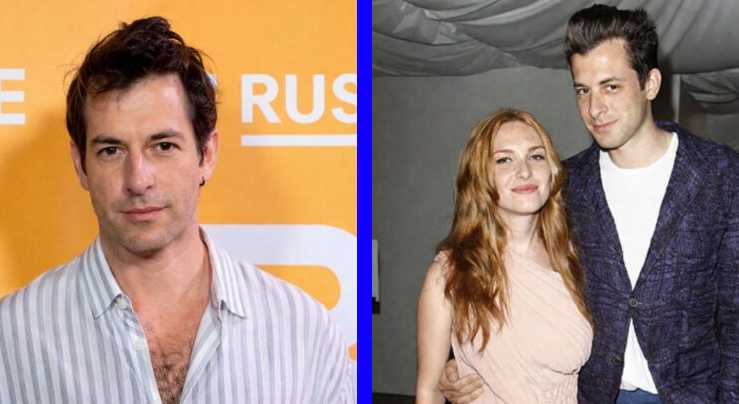
Joséphine de La Baume has long been a name associated with artistic elegance, creative versatility, and understated charisma. Known for her work in film, music, and fashion, she built a career that reflects both depth and independence. Yet, for many years, her identity in the public eye was also closely tied to her relationship with acclaimed music producer Mark Ronson.
Their relationship—spanning romance, marriage, and eventual separation—captured the imagination of fans and media alike. It was not merely a celebrity pairing; it was a union of two creative worlds. This article explores Joséphine de La Baume’s life, her career, her relationship with Mark Ronson, and how she carved her own path beyond that chapter.
Early Life and Background of Joséphine de La Baume
Joséphine de La Baume was born on October 14, 1984, in Paris, France. Raised in a culturally rich environment, she was exposed to art, cinema, and music from an early age. Her upbringing played a significant role in shaping her creative instincts.
Unlike many who enter the entertainment industry through a single path, Joséphine’s journey was multidimensional. She studied acting while also nurturing a deep love for music and performance. Her French heritage, combined with a global outlook, allowed her to move seamlessly between European and international artistic spaces.
From the beginning, Joséphine de La Baume was not just pursuing fame—she was pursuing expression.
Building a Career in Film and Television
Joséphine de La Baume began her acting career with roles in French productions before transitioning into international cinema. Her presence on screen is often described as subtle yet captivating—she doesn’t dominate scenes with loud performances but rather draws viewers in through nuance.
Some of her notable appearances include films like One Day and Johnny English Reborn, where she worked alongside established actors and gained recognition beyond France. Later, she appeared in action-comedy productions such as The Hitman’s Bodyguard, further expanding her range.
What makes Joséphine de La Baume stand out as an actress is her willingness to take on diverse roles. She has never limited herself to a single genre or style. Instead, she has embraced projects that challenge her creatively, even if they are not always mainstream.
Her career reflects a conscious decision to prioritize artistic integrity over commercial predictability.
A Parallel Passion: Music and Artistic Identity
While acting brought Joséphine de La Baume into the spotlight, music has always been a core part of her identity. She co-founded the indie band Singtank with her brother, creating a space where she could explore songwriting and performance on her own terms.
Singtank’s music combined indie pop with experimental elements, reflecting Joséphine’s artistic sensibilities. Over time, she moved toward darker and more atmospheric sounds with her later project, Film Noir.
This evolution in music mirrors her personal growth. Rather than staying within a comfortable creative zone, Joséphine de La Baume continuously reinvented herself.
Her music is not just an extension of her acting—it is a deeply personal form of storytelling.
The Rise of Mark Ronson in the Music Industry
To understand the public fascination with Joséphine de La Baume’s relationship, it is important to look at the career of Mark Ronson.
Mark Ronson is one of the most influential producers of his generation. Known for his work with artists like Amy Winehouse and Bruno Mars, he played a major role in shaping modern pop and soul music. His hit production Uptown Funk became a global phenomenon, earning widespread acclaim and multiple awards.
By the time he met Joséphine de La Baume, Ronson had already established himself as a major figure in the music world. His reputation, combined with his distinctive style, made him a prominent public personality.
How Joséphine de La Baume and Mark Ronson Met
Joséphine de La Baume and Mark Ronson reportedly began dating around 2009. Their meeting brought together two individuals from different creative backgrounds—one rooted in French cinema and indie music, the other in global pop production.
Their connection felt natural. Both shared a love for music, fashion, and artistic expression. They quickly became a recognizable couple in the cultural scene, often attending events together in London, Paris, and New York.
What set their relationship apart was its authenticity. It did not appear manufactured for publicity. Instead, it reflected a genuine bond between two creative individuals navigating the same world.
Marriage and Life in the Public Eye
In September 2011, Joséphine de La Baume and Mark Ronson got married in the South of France. The wedding was elegant and intimate, attended by close friends and industry figures.
Their marriage symbolized a union of cultures and disciplines:
- French artistry and British-American music influence
- Indie creativity and mainstream success
- Private personalities within a public world
During their marriage, the couple maintained a relatively low profile. Unlike many celebrity relationships, they did not rely heavily on public displays or media attention.
However, their appearances at fashion events, premieres, and music gatherings kept them in the spotlight. They were often seen as a stylish and creative couple, admired for their individuality as much as their partnership.
The Dynamics of Their Relationship
One of the most interesting aspects of Joséphine de La Baume and Mark Ronson’s relationship was the balance between their personal and professional lives.
Both had strong identities:
- Joséphine as an actress and musician
- Ronson as a producer and DJ
This independence allowed them to grow individually while supporting each other’s careers.
However, maintaining such balance is not always easy. The demands of international careers, constant travel, and public attention can create pressure even in the strongest relationships.
Their story reflects the complexity of modern partnerships—especially those lived in the public eye.
Separation and Divorce
In 2017, news emerged that Joséphine de La Baume and Mark Ronson had separated. Later that year, Joséphine filed for divorce, citing irreconcilable differences.
The divorce was finalized in 2018, bringing an end to their six-year marriage.
Unlike many high-profile separations, their breakup was relatively private. There were no major public disputes or controversies. Instead, it appeared to be a quiet and mutual decision.
This approach reinforced the impression that both individuals valued dignity and respect, even at the end of their relationship.
Life After Mark Ronson
After her divorce, Joséphine de La Baume entered a new phase of her life—one that was more focused on personal growth and artistic exploration.
She continued working in film while dedicating more time to her music. Her project Film Noir gained attention for its distinctive sound, blending cinematic elements with modern influences.
On a personal level, she began a relationship with musician Carlos O’Connell. The couple welcomed a child, marking a new chapter in her life.
This period reflects a shift from public identity to personal fulfillment. Joséphine de La Baume embraced motherhood and creativity in a way that felt authentic to her.
Mark Ronson’s Life After the Marriage
Mark Ronson also moved forward after the divorce. In 2021, he married actress Grace Gummer, and the couple started a family.
Professionally, Ronson continued to achieve success, producing music and collaborating with top artists. His work remained influential, and his career trajectory showed no signs of slowing down.
Interestingly, Ronson has spoken in interviews about how personal experiences, including his divorce, influenced his music. This highlights how relationships—even when they end—can shape creative expression.
Why Their Story Still Resonates
Years after their separation, Joséphine de La Baume and Mark Ronson’s relationship continues to attract interest. There are several reasons for this lasting fascination.
A Blend of Art and Culture
Their relationship was not just about romance—it was about creativity. It represented a meeting point of film, music, and fashion.
Individual Identity Within a Couple
Both Joséphine and Ronson maintained strong personal identities. Their story shows that successful relationships are not about losing individuality but balancing it.
A Graceful Ending
In a world where celebrity breakups often become public spectacles, their quiet separation stands out. It reflects maturity and mutual respect.
The Evolution of Joséphine de La Baume
Today, Joséphine de La Baume is recognized not just as Mark Ronson’s former partner but as a multifaceted artist in her own right.
Her journey includes:
- Acting in international films
- Creating and performing music
- Exploring new artistic directions
- Building a personal life away from intense public scrutiny
She represents a modern creative figure—someone who evolves over time rather than remaining fixed in a single identity.
FAQs
Who is Joséphine de La Baume known for?
Joséphine de La Baume is known for her work as a French actress, musician, and model, with roles in international films and involvement in indie music projects.
When did Joséphine de La Baume and Mark Ronson get married?
They got married in September 2011 in the South of France.
What happened between Joséphine de La Baume and Mark Ronson?
The couple separated in 2017 and finalized their divorce in 2018, citing irreconcilable differences.
Conclusion
Joséphine de La Baume’s story is one of creativity, independence, and transformation. While her relationship with Mark Ronson brought her additional public attention, it is only one part of a much larger narrative.
She has built a career that spans multiple artistic disciplines, continually evolving and redefining herself. Her journey reminds us that identity is not static—it grows with experience, change, and time.
The relationship between Joséphine de La Baume and Mark Ronson remains an intriguing chapter, but it does not define her. Instead, it highlights the complexities of love, creativity, and life in the spotlight—while ultimately reinforcing the importance of personal growth beyond it.