
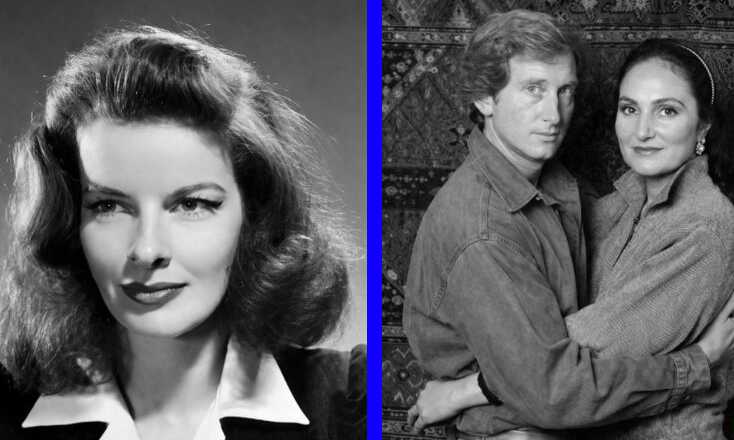
The name Ludlow Ogden Smith rarely appears in the spotlight of Hollywood history, yet his story is deeply intertwined with one of cinema’s greatest legends, Katharine Hepburn. While Hepburn’s career soared to extraordinary heights, winning multiple Academy Awards and redefining female roles on screen, Ludlow Ogden Smith lived a life that was quiet, grounded, and almost entirely removed from public attention.
Their relationship, though short-lived, offers a fascinating lens through which we can understand the early life of a woman who would go on to become an icon. More importantly, it sheds light on a man who stood beside her at the very beginning—before the fame, before the accolades, and before the world knew her name.
This article explores the life of Ludlow Ogden Smith, his marriage to Katharine Hepburn, and the subtle yet meaningful role he played in shaping one of Hollywood’s most remarkable journeys.
Early Life of Ludlow Ogden Smith
Ludlow Ogden Smith was born into a well-established and affluent family in Philadelphia in 1899. Raised in a socially prominent environment, his upbringing was rooted in tradition, discipline, and a strong sense of propriety. Unlike the glamour and unpredictability of the entertainment industry, his world was structured, stable, and deeply conventional.
From a young age, Smith was known for his calm temperament and thoughtful personality. He was not someone who sought attention or recognition. Instead, he preferred a quieter path—one that involved building a respectable career and maintaining a dignified social standing.
Professionally, he worked as an insurance broker, a role that reflected his practical nature and preference for stability. There was nothing flamboyant about his ambitions, and that, in many ways, made him the complete opposite of the woman he would eventually marry.
Katharine Hepburn: A Rising Star
Before diving deeper into their relationship, it is important to understand where Katharine Hepburn stood at the time they met. Born in 1907, Hepburn grew up in a progressive household that encouraged independence and intellectual curiosity. She was strong-willed, outspoken, and determined to carve her own path.
When Ludlow Ogden Smith entered her life, Hepburn was still a student at Bryn Mawr College. Acting was her passion, but success was far from guaranteed. She was experimenting, learning, and trying to find her place in a competitive and uncertain field.
What set Hepburn apart even then was her refusal to conform. She challenged societal expectations, rejected traditional gender roles, and pursued her ambitions with relentless determination. These qualities would later define her career—but they also played a significant role in the fate of her marriage.
How Ludlow Ogden Smith Met Katharine Hepburn
Ludlow Ogden Smith met Katharine Hepburn during her college years, and their connection developed quickly. Their personalities were markedly different, yet they seemed to complement each other in the beginning.
Smith was steady, supportive, and deeply devoted. Hepburn was energetic, ambitious, and fiercely independent. Their relationship reflected a balance that initially worked—he provided stability, while she brought passion and excitement.
They fell in love and decided to marry, despite being at very different stages in life. Smith was already established in his career, while Hepburn was just beginning to explore hers.
Marriage and Early Years Together
The couple married on December 12, 1928. At the time, Hepburn was only 21 years old, while Smith was nearly a decade older. Their wedding was modest and private, reflecting Smith’s preference for discretion rather than spectacle.
Interestingly, the dynamics of their relationship began to shift almost immediately. Hepburn was uncomfortable with the idea of adopting a traditional married identity. She disliked the thought of being known as “Mrs. Smith,” which led to an unusual decision—Smith reportedly altered his name to S. Ogden Ludlow after their marriage.
This seemingly small detail reveals a deeper truth about their relationship. From the very beginning, Hepburn’s individuality and sense of self were central, even if it meant reshaping conventional norms.
During the early years of their marriage, Ludlow Ogden Smith played a crucial role in supporting Hepburn’s ambitions. He provided financial stability, allowing her to pursue acting without the immediate pressure of earning a living. More importantly, he believed in her talent at a time when success was uncertain.
The Turning Point: Hepburn’s Career Takes Off
As Katharine Hepburn’s acting career began to gain momentum, the balance in their relationship started to shift. Her dedication to her craft required time, energy, and often physical distance. She spent long periods working in theatre and eventually moved into film.
For Ludlow Ogden Smith, this transition was challenging. His life was rooted in stability and routine, while Hepburn’s world became increasingly unpredictable and demanding.
When she moved to Hollywood in the early 1930s, the physical separation between them grew. What had once been a partnership began to feel like two separate lives moving in different directions.
Hepburn’s rise to fame brought new opportunities, new relationships, and a new identity—one that did not easily align with traditional expectations of marriage.
Why the Marriage Struggled
Several factors contributed to the eventual breakdown of their marriage, and understanding these elements provides insight into both individuals.
First, there was a fundamental difference in priorities. Ludlow Ogden Smith valued stability, privacy, and a conventional life. Katharine Hepburn prioritised her career, independence, and personal freedom.
Second, their personalities, while initially complementary, began to clash over time. Hepburn’s strong will and refusal to conform made it difficult for her to fully embrace the role of a traditional wife.
Third, the demands of her career created distance—both emotional and physical. Long periods apart weakened their connection, making it increasingly difficult to maintain a sense of partnership.
Finally, Hepburn herself later acknowledged that she had not been a good wife. She admitted to being self-centred during that period, focusing almost entirely on her ambitions.
Divorce and Life After Separation
Ludlow Ogden Smith and Katharine Hepburn divorced in 1934, just six years after their marriage. Unlike many high-profile separations, theirs was relatively quiet and free from public drama.
They did not engage in bitter disputes or public accusations. Instead, they parted ways with a sense of mutual understanding. Remarkably, they remained on good terms even after the divorce, a testament to Smith’s character and the respect they continued to hold for one another.
After the separation, Ludlow Ogden Smith chose to step away completely from the public eye. He returned to his life in business and maintained the privacy he had always valued. He did not attempt to capitalise on his connection to Hepburn, nor did he seek recognition or attention.
The Quiet Legacy of Ludlow Ogden Smith
While Katharine Hepburn’s legacy is defined by awards, performances, and cultural impact, Ludlow Ogden Smith’s legacy is far more subtle.
He represents the unseen support system behind a rising star—the person who believed, encouraged, and provided stability during a critical period. Without that foundation, Hepburn’s early journey might have been significantly more difficult.
Smith’s life also serves as a reminder that not all important stories are loud or widely recognised. Some are quiet, existing in the background, yet playing a crucial role in shaping history.
A Study in Contrasts
The relationship between Ludlow Ogden Smith and Katharine Hepburn can be understood as a study in contrasts.
He was private, she was public.
He was traditional, she was unconventional.
He sought stability, she pursued transformation.
These differences created both the attraction that brought them together and the tension that ultimately pulled them apart.
Their marriage was not a failure in the dramatic sense often portrayed in Hollywood narratives. Instead, it was a reflection of two individuals growing in different directions, each following their own path.
Why Their Story Still Resonates
The story of Ludlow Ogden Smith continues to resonate because it reveals a side of fame that is often overlooked. Behind every public figure, there are relationships, sacrifices, and personal struggles that rarely make headlines.
Smith’s role in Hepburn’s life reminds us that success is rarely achieved in isolation. It is often supported by people who remain unseen, whose contributions are not measured in awards or recognition.
In a world that celebrates visibility, his story highlights the value of quiet strength, loyalty, and dignity.
FAQs
1. Who was Ludlow Ogden Smith in relation to Katharine Hepburn?
Ludlow Ogden Smith was the first and only husband of Katharine Hepburn, married to her from 1928 to 1934.
2. Why did Ludlow Ogden Smith and Katharine Hepburn divorce?
Their marriage ended due to differences in lifestyle, Hepburn’s focus on her acting career, and the growing distance between them.
3. What happened to Ludlow Ogden Smith after the divorce?
After the divorce, Ludlow Ogden Smith returned to a private life in business and stayed out of the public spotlight.
Conclusion
Ludlow Ogden Smith may not be remembered as a public figure, but his place in history is quietly significant. As the only husband of Katharine Hepburn, he stood beside her during a formative period—before fame reshaped her life and identity.
Their marriage, though brief, was meaningful. It reflected the complexities of love, ambition, and personal growth. While Hepburn went on to become a legend, Smith chose a path of privacy and simplicity, staying true to his nature.
In the end, the story of Ludlow Ogden Smith is not about fame or recognition. It is about timing, support, and the understated impact one person can have on another’s journey.