
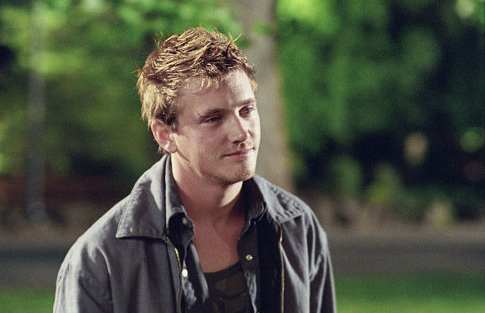
William Lee Scott may not be a household name for everyone, but his body of work speaks volumes. Known for his ability to blend into a wide range of characters, he has built a career that reflects consistency, depth, and adaptability. From memorable supporting roles in major Hollywood films to standout performances on television, his journey is one of steady growth rather than overnight fame.
Early Life and Background
Growing Up in New York
William Lee Scott was born on July 6, 1973, in Hudson, New York. Growing up in a relatively quiet environment, he did not initially set out with a clear path toward acting. Like many aspiring performers, his journey into Hollywood was shaped by circumstance, opportunity, and persistence.
New York, however, provided him with exposure to diverse cultures and storytelling traditions. This environment likely contributed to his ability to portray a wide range of personalities later in his career.
Unexpected Entry into Acting
Before stepping into acting, he worked various jobs, including as a waiter. It was during this period that he was discovered and encouraged to pursue acting professionally. This kind of organic entry into the industry often results in performers who bring authenticity to their roles—and that authenticity became one of his defining traits.
Breakthrough and Early Career
First Appearances
William Lee Scott began his acting career in the mid-1990s. Like many newcomers, he initially took on smaller roles, gradually building experience and visibility. His early work included appearances in films and television series that helped him understand the craft and establish industry connections.
Breakthrough Role in October Sky
His major breakthrough came with the film October Sky (1999), where he played Roy Lee Cooke. The film, based on a true story, resonated with audiences due to its inspirational narrative. His performance stood out for its grounded and relatable portrayal of a young man navigating ambition and friendship.
This role marked a turning point, as it showcased his ability to contribute meaningfully to ensemble casts.
Television Success
The Steve Harvey Show
One of the most recognizable roles of William Lee Scott came from the sitcom The Steve Harvey Show. He portrayed Stanley “Bullethead” Kuznocki, a lovable and somewhat naive high school student.
This role demonstrated his comedic timing and ability to connect with audiences on a lighter note. It also expanded his reach, making him familiar to television viewers across the United States.
Expanding Television Presence
After his success in sitcoms, he continued to appear in various television series, including crime dramas and procedural shows. His appearances in series like CSI: Miami and Criminal Minds highlighted his versatility.
Rather than being typecast, he moved fluidly between comedy and drama—an uncommon trait that added depth to his career.
Film Career Highlights
Supporting Roles in Major Films
William Lee Scott has appeared in several high-profile films, often playing supporting roles that add depth to the narrative. Some of his notable appearances include:
- Gone in 60 Seconds (2000)
- Pearl Harbor (2001)
- Identity (2003)
- The Butterfly Effect (2004)
In each of these films, he contributed to the overall storytelling without overshadowing the lead actors. His performances were subtle yet impactful.
The Butterfly Effect and Emotional Depth
In The Butterfly Effect, his role added emotional weight to the story. The film’s complex narrative required actors to deliver nuanced performances, and he managed to do so effectively.
This film further established him as an actor capable of handling psychologically intense material.
Later Film Appearances
Over time, William Lee Scott continued to appear in films such as The Magnificent Seven (2016). Although not always in leading roles, his presence added credibility and richness to the films he participated in.
Acting Style and Strengths
Naturalistic Performance
One of the defining traits of William Lee Scott is his natural acting style. He avoids over-dramatization, instead opting for subtle expressions and realistic delivery. This approach allows audiences to connect with his characters on a deeper level.
Versatility Across Genres
From comedy to drama, action to psychological thrillers, he has demonstrated the ability to adapt to different genres. This versatility is a key reason why he has maintained a steady presence in the industry.
Strong Supporting Actor
Not every actor needs to be the lead to make an impact. William Lee Scott excels as a supporting actor, often enhancing the performances of those around him. His ability to blend into ensemble casts while still standing out is a rare skill.
Career Longevity and Industry Presence
Consistency Over Fame
Unlike many actors who experience rapid rises and falls, William Lee Scott has maintained a steady career. He has consistently worked in both film and television, choosing roles that align with his strengths.
Adapting to Industry Changes
The entertainment industry has undergone significant changes over the years, from traditional cinema to streaming platforms. His ability to remain relevant speaks to his adaptability and professionalism.
Reputation in Hollywood
Within the industry, he is regarded as a reliable and skilled actor. Directors and producers often value performers who can deliver strong performances without unnecessary complications—and he fits that description well.
Personal Life
Family and Stability
William Lee Scott has been married to Charlene Bloom since 2002, and the couple has two children. Unlike many Hollywood figures, he has maintained a relatively private personal life.
This balance between professional and personal life may have contributed to his longevity in the industry.
Life Outside Acting
While he is primarily known for acting, he has also explored writing and other creative pursuits. His interests beyond acting reflect a well-rounded personality.
Lesser-Known Facts
Discovered by Chance
His entry into acting was not planned but rather the result of being noticed while working in New York. This highlights how unpredictable career paths in Hollywood can be.
Diverse Role Selection
He has deliberately chosen a mix of roles rather than sticking to a single type. This has allowed him to build a diverse portfolio.
Quiet Influence
Although not always in the spotlight, William Lee Scott has influenced many viewers through his performances. His roles often leave a lasting impression, even if they are not the central focus of the story.
Impact on Modern Cinema
Contribution to Ensemble Films
In many ensemble films, supporting actors play a crucial role in shaping the story. William Lee Scott has consistently contributed to this aspect of filmmaking.
Representation of Everyday Characters
He often portrays characters that feel real and relatable. This grounded approach helps audiences see themselves in the stories being told.
Inspiring Aspiring Actors
His journey serves as an example for aspiring actors who may not follow a traditional path. Success in acting does not always come from leading roles; sometimes, it is built through consistent, meaningful contributions.
FAQs
Who is William Lee Scott?
William Lee Scott is an American actor known for his work in both television and film, particularly in supporting roles across various genres.
What is William Lee Scott best known for?
He is best known for his role as Stanley “Bullethead” in The Steve Harvey Show and for appearing in films like October Sky and The Butterfly Effect.
Has William Lee Scott worked in both TV and movies?
Yes, William Lee Scott has had a balanced career, appearing in numerous television series as well as major Hollywood films.
What type of roles does William Lee Scott usually play?
He often plays supporting characters, ranging from comedic roles to serious and emotionally complex individuals.
Is William Lee Scott still active in acting?
Yes, William Lee Scott continues to work in the entertainment industry, taking on roles in both film and television.
Conclusion
William Lee Scott represents a different kind of success in Hollywood—one built on consistency, versatility, and dedication rather than constant spotlight. His ability to adapt across genres and deliver authentic performances has earned him respect within the industry and appreciation from audiences.
While he may not always be the lead, his contributions are essential to the stories he helps tell. For anyone looking to understand the value of strong supporting roles in cinema and television, his career offers a compelling example.