
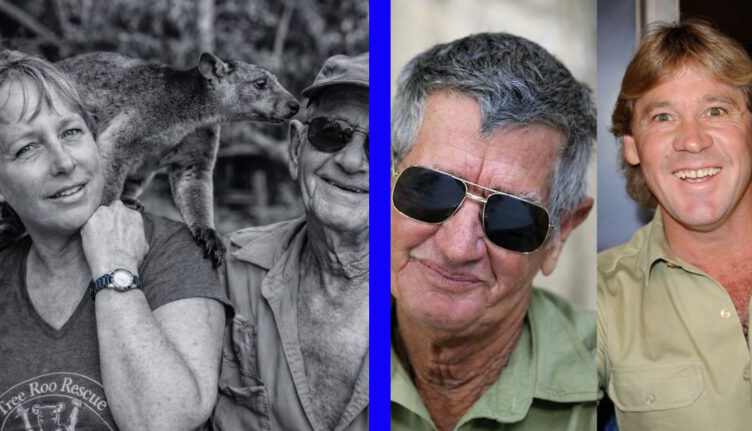
Lyn Irwin is often remembered as the compassionate heart behind one of the most influential conservation families in the world. While her son, Steve Irwin, became a global wildlife icon, Lyn’s contribution formed the emotional and ethical backbone of what is now widely known as the Irwin Legacy. She was not someone who sought fame or public recognition, but her influence can be seen in every aspect of the family’s conservation work.
The Irwin Legacy is built on more than just public awareness or entertainment—it is rooted in genuine care for wildlife, hands-on rehabilitation, and a lifelong commitment to protecting nature. Lyn Irwin was among the earliest drivers of these values. Her daily efforts in caring for animals, often under challenging conditions, shaped the philosophy that would later reach millions across the globe.
Understanding Lyn Irwin’s story is essential to understanding how the Irwin family became what it is today. Her life demonstrates that impactful legacies are often built quietly, through consistent dedication rather than public applause.
Early Life and Personal Foundations
Born in Australia in 1942, Lyn Irwin developed a nurturing personality that would later define her work. Before becoming deeply involved in wildlife rehabilitation, she worked as a maternity nurse. This background played a critical role in shaping her caregiving instincts. The skills she developed—patience, attentiveness, and empathy—translated seamlessly into her later work with animals.
Her approach to wildlife was deeply personal. She didn’t treat animals as distant subjects of conservation; instead, she saw them as individuals deserving of care and dignity. This mindset was relatively uncommon at the time, especially in an era when structured wildlife rehabilitation systems were still evolving.
Lyn’s early experiences laid the groundwork for her lifelong commitment to animals. Her ability to combine medical knowledge with emotional sensitivity allowed her to create a unique caregiving style—one that would later influence not only her family but also broader conservation practices.
Building the Foundation with Bob Irwin
Lyn Irwin’s journey into wildlife conservation became more structured when she partnered with her husband, Bob Irwin. Together, they established a small wildlife park that would eventually evolve into what the world now knows as Australia Zoo.
In the early days, resources were limited, and much of the work relied on personal effort rather than institutional support. Lyn played a central role in the daily operations of the park. She was responsible for feeding animals, nursing injured wildlife, and maintaining the environment needed for their recovery.
Her contribution went far beyond routine tasks. Lyn brought a sense of purpose and compassion that defined the park’s identity. While Bob focused heavily on reptiles and conservation education, Lyn ensured that the animals received the care and emotional attention necessary for rehabilitation. This partnership created a balanced approach that became a cornerstone of the Irwin Legacy.
Wildlife Rehabilitation and Daily Work
Lyn Irwin’s work in wildlife rehabilitation was both demanding and deeply meaningful. She dedicated countless hours to rescuing injured animals, nursing them back to health, and preparing them for release into the wild. Her efforts were not limited to a specific type of animal—she cared for birds, mammals, and reptiles alike.
One of her most recognized contributions was her work with orphaned kangaroo joeys. Lyn would raise them using handmade pouches that mimicked the natural environment of a mother’s care. This level of detail highlights her commitment to ensuring not just survival but also proper development.
Her approach to rehabilitation was practical and compassionate. She understood that each animal required individual attention and tailored care. This hands-on methodology helped establish early standards for wildlife rehabilitation practices, many of which are still relevant today.
Influence on Steve Irwin’s Life and Career
The influence of Lyn Irwin on her son, Steve Irwin, cannot be overstated. Steve grew up in an environment where wildlife was not just a subject of study but a part of everyday life. From an early age, he was exposed to the realities of animal care, rescue, and conservation.
Lyn played a crucial role in shaping Steve’s emotional connection to animals. While Bob provided technical expertise and knowledge about reptiles, Lyn instilled empathy and compassion. This combination created the unique personality that later captivated audiences around the world.
Steve’s fearless yet respectful approach to wildlife can be directly traced back to his upbringing. The Irwin Legacy, as seen through Steve’s work, reflects the balance of courage and care that Lyn helped cultivate during his formative years.
Family Life and the Extended Irwin Circle
Lyn Irwin was not only a wildlife rehabilitator but also a central figure in her family’s life. She created an environment where both people and animals coexisted harmoniously. Her role extended beyond her immediate household, influencing the broader Irwin family, including individuals like Joy Irwin and Mandy Irwin, who were part of the extended family network.
Family life in the Irwin household was far from conventional. Animals were a constant presence, and caring for them was a shared responsibility. This unique environment fostered a sense of unity and purpose that strengthened family bonds.
Her influence also reached the next generation. Today, figures like Bindi Irwin and Robert Irwin continue the family’s mission, carrying forward the values that Lyn helped establish decades earlier.
The Evolution of the Irwin Legacy
The Irwin Legacy did not emerge overnight—it evolved over time through consistent effort and dedication. Lyn Irwin’s early work laid the foundation for what would later become a global conservation movement. Her approach emphasized direct action, compassion, and education.
As the family’s influence grew, so did their ability to impact larger audiences. Steve Irwin’s television career brought international attention to wildlife conservation, but the principles he promoted were deeply rooted in the lessons he learned from Lyn.
The legacy today includes wildlife hospitals, conservation programs, and educational initiatives that reach people worldwide. While these developments are often associated with later generations, they are built upon the groundwork established by Lyn Irwin’s early efforts.
Personal Strength and Character
Lyn Irwin’s character was defined by resilience, humility, and unwavering dedication. She worked tirelessly without seeking recognition, focusing instead on the well-being of the animals in her care. Her ability to remain committed under challenging circumstances highlights her strength.
She was known for her gentle demeanor and strong sense of responsibility. These qualities made her not only an effective caregiver but also a source of inspiration for those around her. Her presence brought stability and direction to the family’s conservation efforts.
Lyn’s life serves as a reminder that leadership does not always require visibility. Sometimes, the most impactful leaders are those who work quietly, guiding others through example rather than words.
Tragic Passing and Enduring Impact
In 2000, Lyn Irwin passed away in a car accident, a tragic event that deeply affected her family. Her loss was felt not only on a personal level but also within the broader conservation community. She had been a central figure in the Irwin family’s work, and her absence created a significant void.
Despite this loss, her influence continued to shape the family’s direction. Steve Irwin and his wife, Terri, honored her memory by expanding their conservation efforts and dedicating resources to wildlife care and education.
Her legacy lives on through the continued work of her family. Every rescued animal, every conservation program, and every educational initiative reflects the values she instilled during her lifetime.
Conclusion
Lyn Irwin may not have been a public figure in the traditional sense, but her impact on wildlife conservation is profound. She was the foundation upon which the Irwin Legacy was built, providing the compassion, care, and dedication that continue to define the family’s work.
Her story highlights the importance of behind-the-scenes contributions. Without her efforts, the global influence of the Irwin family might never have reached the level it has today. She represents the idea that meaningful change often begins with quiet, consistent action.
The Irwin Legacy is a testament to her life’s work. Through her family and their ongoing mission, Lyn Irwin’s values continue to inspire people around the world to care for and protect wildlife.