
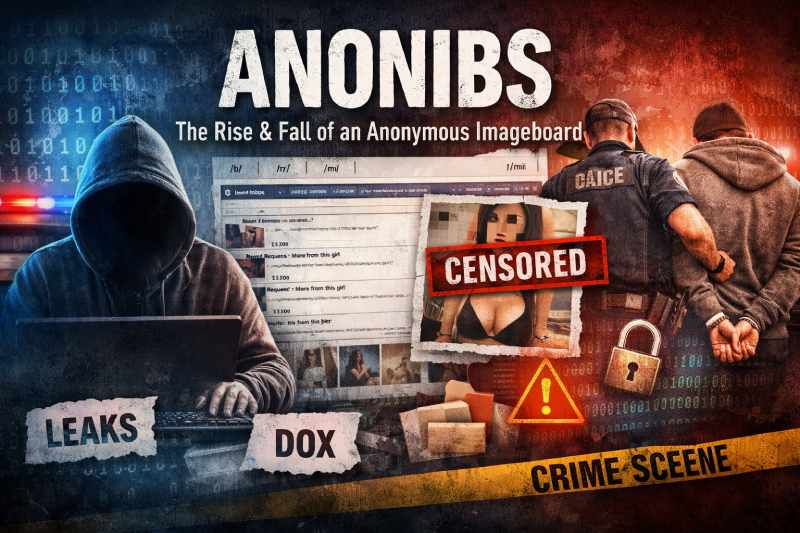
Anonibs is a name that has circulated widely across internet discussions, often surrounded by curiosity, confusion, and controversy. For many, it represents a chapter in the evolution of anonymous online platforms—spaces where users could interact freely without identity constraints. While some viewed it as a place for open sharing, others associate it with serious ethical and legal concerns.
This article takes a deep, balanced look at Anonibs—what it was, how it worked, why it became controversial, and what lessons it offers in today’s digital world. By understanding its history and impact, readers can better grasp the risks and responsibilities tied to anonymous online spaces.
What Was Anonibs?
Anonibs, often referred to as an anonymous imageboard, allowed users to post images and comments without registering or revealing personal information. The platform followed a structure similar to early internet forums but emphasized anonymity as its core feature.
Unlike traditional social media platforms where profiles, followers, and identities matter, Anonibs removed these layers entirely. Users interacted through threads, creating a free-flowing environment where content—not identity—was central.
Key Characteristics of Anonibs
- No account creation required
- Image-based discussion threads
- Minimal moderation in many sections
- Location-based or topic-based boards
- Temporary or constantly refreshing content
This setup attracted a wide range of users, from those seeking open discussion to others drawn by the lack of accountability.
The Origins and Growth of Anonymous Imageboards
To understand Anonibs, it helps to look at the broader ecosystem of anonymous forums. Imageboards gained popularity in the early 2000s, offering a raw, unfiltered form of online communication.
Early Appeal of Anonymous Platforms
Anonymous boards became popular because they allowed users to:
- Speak freely without fear of judgment
- Share opinions without linking them to real identities
- Participate in niche or local discussions
- Explore internet culture without social pressure
Anonibs emerged within this environment and quickly gained traction due to its simplicity and accessibility.
Rapid Expansion
As internet access expanded globally, platforms like Anonibs began attracting users from various regions. Its structure made it easy to create boards dedicated to specific cities or communities, increasing its reach and engagement.
However, the same features that fueled its growth also contributed to its downfall.
How Anonibs Worked
At its core, Anonibs functioned as a thread-based discussion platform. Users could create new threads or reply to existing ones, often including images alongside text.
Thread-Based Interaction
Each post became part of a thread. Over time, threads would grow as more users contributed, eventually disappearing as newer content replaced them. This created a constantly evolving environment.
Categories and Boards
The platform was divided into multiple boards, often categorized by:
- Geographic location (cities or countries)
- Topics of interest
- Specific communities
This organization made it easy for users to find relevant discussions.
Anonymity as the Foundation
One of the defining features of Anonibs was complete anonymity. Users were not required to log in, and posts were not tied to identifiable profiles. While this encouraged openness, it also removed accountability.
The Controversial Side of Anonibs
Over time, Anonibs became associated with serious issues that overshadowed its original purpose. The lack of moderation and accountability allowed harmful content to spread.
Non-Consensual Content Sharing
One of the most widely reported issues linked to Anonibs was the sharing of images without consent. This raised major ethical and legal concerns, as individuals’ privacy was violated.
Doxing and Harassment
Users sometimes shared personal information about others, a practice known as doxing. This led to harassment, threats, and real-world consequences for victims.
Lack of Regulation
Unlike modern platforms that enforce community guidelines, Anonibs had limited oversight. This made it difficult to control harmful behavior or remove inappropriate content.
Legal Consequences
Authorities in various countries began investigating activities associated with the platform. Eventually, legal pressure contributed to its shutdown, marking the end of its original version.
Why Anonibs Became So Popular
Despite its controversies, Anonibs gained significant attention during its active years. Understanding its popularity requires looking at both human behavior and internet culture.
Freedom of Expression
Many users were drawn to the platform because it allowed them to express thoughts without fear of judgment or social consequences.
Curiosity and Virality
The anonymous nature of the content often led to curiosity-driven engagement. Users were intrigued by what others would post, creating a cycle of continuous interaction.
Community Dynamics
Location-based boards created a sense of localized communities, where users could discuss shared experiences or interests.
Minimal Barriers to Entry
With no sign-up process, anyone could access and contribute instantly. This ease of use made it highly accessible.
The Ethical Lessons from Anonibs
The story of Anonibs highlights important ethical questions about online behavior and platform responsibility.
The Balance Between Freedom and Responsibility
While anonymity can encourage honest expression, it can also enable harmful actions. Platforms must balance user freedom with safeguards to protect individuals.
The Importance of Moderation
Effective moderation is essential to maintain a safe online environment. Without it, platforms risk becoming spaces where harmful behavior thrives.
Digital Accountability
Even in anonymous environments, actions have consequences. The lack of visible identity does not eliminate responsibility.
The Shutdown and Aftermath
The original version of Anonibs was eventually taken offline following investigations and legal actions. This marked a turning point in how authorities approached anonymous platforms.
Emergence of Clones and Mirrors
After its shutdown, several copycat sites appeared, attempting to replicate the original concept. However, these platforms often faced similar issues and were widely considered unsafe.
Increased Awareness
The controversy surrounding Anonibs raised awareness about online privacy, consent, and digital ethics. It also led to stricter enforcement against harmful content on other platforms.
The Risks of Anonymous Platforms Today
While Anonibs itself is no longer active in its original form, similar platforms still exist. Users should be aware of the potential risks associated with anonymous online spaces.
Privacy Risks
Engaging with anonymous platforms can expose users to data leaks, scams, or malicious content.
Legal Implications
Viewing or interacting with certain types of content can have legal consequences, depending on local laws.
Cybersecurity Threats
Unregulated platforms may host malware or phishing attempts, putting users at risk.
How Modern Platforms Differ
Today’s major platforms have learned from past experiences and implemented stricter policies.
Stronger Moderation
Content moderation systems now use a combination of human oversight and automated tools to detect harmful behavior.
User Accountability
Most platforms require user accounts, making it easier to enforce rules and track violations.
Reporting Mechanisms
Users can report inappropriate content, helping maintain safer communities.
The Cultural Impact of Anonibs
Despite its controversial history, Anonibs played a role in shaping internet culture.
Influence on Online Communities
It demonstrated both the potential and dangers of anonymous interaction, influencing how future platforms were designed.
Public Discussions on Privacy
The issues associated with Anonibs sparked conversations about digital privacy and the need for stronger protections.
Lessons for Developers
Developers and platform creators learned the importance of building systems that prioritize user safety without completely restricting freedom.
FAQs
What was Anonibs used for?
Anonibs was primarily used as an anonymous imageboard where users could share images and participate in discussions without creating accounts.
Is Anonibs still active today?
The original version of Anonibs has been shut down, though some unofficial copies have appeared online, often with safety concerns.
Why did Anonibs become controversial?
It became controversial due to the sharing of non-consensual content, harassment, and lack of moderation.
Is it safe to visit platforms like Anonibs?
Generally, such platforms are considered risky due to potential exposure to harmful content, privacy issues, and cybersecurity threats.
What lessons can users learn from Anonibs?
Users can learn the importance of responsible online behavior, respecting privacy, and being cautious when engaging with anonymous platforms.
Conclusion
Anonibs stands as a powerful example of how anonymity on the internet can shape user behavior—for better or worse. While it initially attracted users seeking freedom of expression, its lack of moderation and accountability led to serious consequences. The platform’s rise and fall highlight the need for balance between openness and responsibility in digital spaces.
Today, as online communities continue to evolve, the lessons from Anonibs remain highly relevant. Users must navigate the internet with awareness, and platform creators must design systems that protect individuals while allowing meaningful interaction.